


News & Articles
What Happens at the Memory Assessment in St Helens and What Comes Next

Noticing changes in a parent's memory is unsettling long before you ever get near a diagnosis. Maybe they've repeated the same story three times this week, or you've had a call from a worried neighbour. Whatever brought you here, taking the first step toward getting it properly checked is often the hardest part. This guide explains what that first step looks like in St Helens, and what tends to happen afterwards.
When to See the GP
Memory problems are not just a normal part of getting older, and it's always worth getting them checked rather than waiting to see if things improve. Your GP is the starting point. They'll talk through what's been noticed, when it started, and how it's affecting daily life, and they'll usually run a basic memory test in the surgery. If they think further investigation is needed, they'll refer on to a specialist memory service.
What Happens at the St Helens Memory Assessment
St Helens has its own dedicated memory assessment service, run by Mersey Care NHS Foundation Trust, which supports both diagnosis and ongoing treatment for people experiencing memory problems, including dementia. Referral is normally made by a GP rather than something you arrange directly.
The initial assessment usually takes around one to two hours. A family member or carer is welcome, and often encouraged, to attend and contribute, since they can describe changes the person themselves may not recognise or may downplay. The appointment typically involves talking through history and symptoms, some cognitive testing, and sometimes further tests such as bloodwork or a scan to rule out other causes.
If a diagnosis is given, most people are offered a post-diagnostic support session soon after, along with information about local groups and, where appropriate, medication that can help manage symptoms. This is also the point where questions about the future, including care, tend to start forming, even if no decisions are needed yet.
Understanding What's Ahead
A diagnosis answers one question and opens up several more. It can help to read around the condition itself before you start thinking about what support might look like further down the line. Our guides on how quickly dementia progresses, the three golden rules of dementia, and looping in dementia are written for exactly this stage, when you want to understand what's happening rather than jump straight to decisions about care.
When Home Support Starts to Feel Like Not Enough
Many families manage well for a long time after diagnosis with the right support at home. For others, changes in behaviour, safety risks, or the physical toll on a family carer eventually make that harder to sustain. Our pieces on what are signs that dementia is getting worse and when should someone with dementia go into a care home cover this transition honestly, including the signs that tend to prompt families to start looking seriously at residential dementia care.
How This Works at Elmtree House
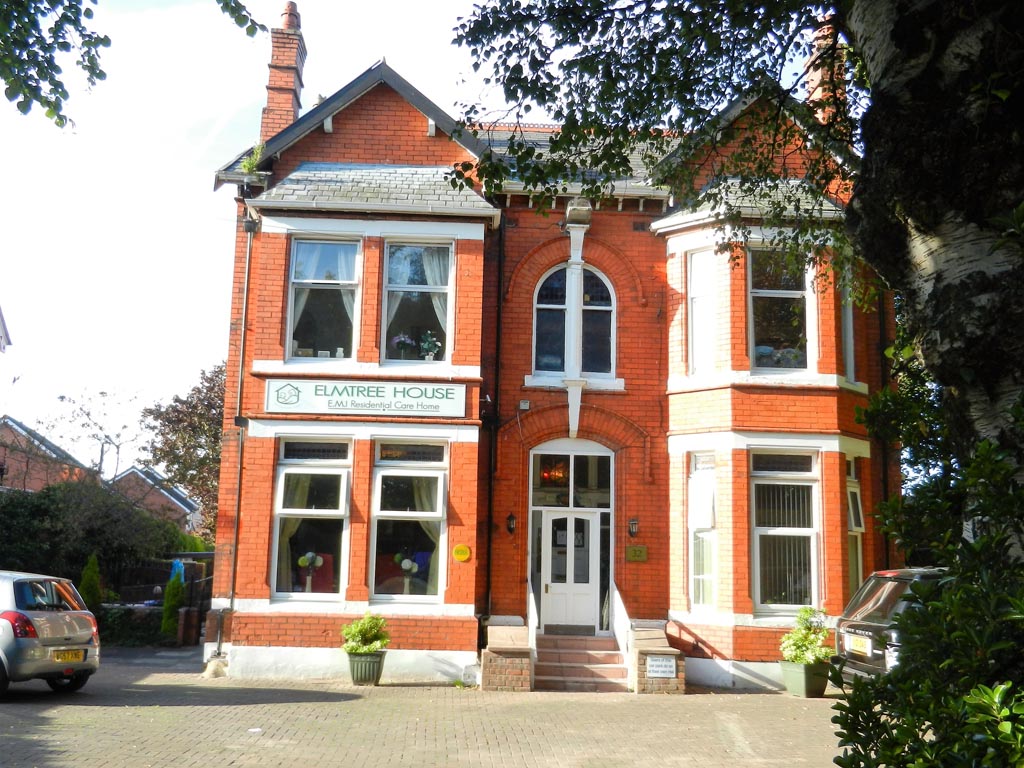
Elmtree House, our care home in St Helens area, is a small residential home in Newton-le-Willows around five miles from the town centre, providing specialist dementia care and EMI (Elderly Mentally Infirm) care alongside general residential care. With only 20 residents, staff get to know each person individually rather than managing a large, rotating unit, which matters particularly for residents who find unfamiliar faces or routines unsettling.
Admissions are offered on a four-week trial basis, giving your relative, and you, a genuine chance to see whether the environment and the staff feel right before anything is decided permanently.
You're Not Making This Decision Alone
It's common to feel a pull between wanting to protect your parent's independence and worrying that you're not doing enough to keep them safe. That tension doesn't mean you're getting it wrong. Our piece on overcoming guilt when moving a loved one to a care home speaks to that feeling directly, and is worth reading whenever it starts to weigh on you.
If you'd like to talk through your situation, whether you're still waiting on an assessment or already thinking ahead to care, our team at this care home in St Helens is happy to have that conversation with no obligation attached. Call us on 01925 291492, or get in touch through our contact page.
Visit our care homes
Contact us to arrange a visit or have a conversation
