


News & Articles
The Main Questions to Ask When Viewing a Care Home

Visiting a care home for the first time can feel overwhelming. You're making one of the most important decisions for someone you love, often whilst managing considerable stress and emotion. Many families leave visits having seen the building but not having found out what they actually needed to know.
The right questions cut through the presentation and reveal the reality of daily life in a care home. Here's what to ask, and what to listen for in the answers.
About the Care
What does a typical day look like for residents? The answer should feel personal and varied rather than recited from a brochure. A good home will describe flexible routines built around individual preferences, not a rigid schedule everyone follows.
How do you approach care for someone with [relevant condition]? Ask specifically about your loved one's needs, whether that's dementia, mobility difficulties, or complex medication. Vague answers about "person-centred care" aren't enough. You want evidence of specific approaches and training.
How are care plans created and reviewed? Care plans should involve the resident and family where possible, and be reviewed regularly as needs change. Ask who is involved in reviews and how often they happen.
What is your approach when a resident becomes distressed or refuses care? This question reveals a great deal about staff training and culture. The answer should reflect patience, redirection, and de-escalation rather than anything approaching force or restraint.
How do you handle end of life care? Even if this feels premature, it matters. Ask whether the home holds Gold Standards Framework accreditation and what their approach is to palliative care, comfort, and family support. Homes with genuine commitment to end of life care will answer confidently.
About the Staff
How long has the registered manager been here? Manager continuity is a strong indicator of a stable, well-run home. Frequent management changes signal problems.
What is your typical staff turnover rate? High turnover means residents constantly encounter unfamiliar faces, which is particularly damaging for people with dementia. A stable staff team is one of the most reliable indicators of care quality.
What training do staff receive, and how often? Ask specifically about dementia training, moving and handling, safeguarding, and medication management. Staff should receive ongoing training, not just an induction.
What are your staffing ratios? There is no legally mandated ratio in England, but the home should be able to tell you how many staff are on shift at different times of day and overnight.
Who provides care overnight? Not all homes staff the same overnight as during the day. Understand exactly what cover is in place.
About the Environment
Can we see all areas of the home, including bedrooms and bathrooms? A confident, well-run home will show you everything. Reluctance to show certain areas is a warning sign.
Can residents personalise their rooms? Bringing familiar furniture, photographs, and personal items makes an enormous difference to how settled someone feels. The answer should be an enthusiastic yes.
What are the outdoor spaces like, and how accessible are they? Gardens and outdoor access significantly improve wellbeing. Ask how often residents actually use them, not just whether they exist.
What is your approach to mealtimes? Mealtimes should be social occasions with choice, not food delivered efficiently to silent residents. Ask about menu variety, how dietary requirements are handled, and whether family members can join for meals.
About Quality and Regulation
What is your current CQC rating, and when was your last inspection? All CQC-registered homes in England must display their rating. Understanding how to interpret CQC ratings helps you put the answer in context. Ask about any specific areas of concern from recent reports.
Have you had any safeguarding concerns or formal complaints recently, and how were they handled? This question matters less for the answer than for how the home responds to it. Transparency and willingness to discuss concerns openly is a positive sign. Defensiveness is not.
Are you registered with any specialist accreditations? Ask about Gold Standards Framework, Investors in People, Dementia Friends accreditation, or similar. These demonstrate commitment beyond minimum compliance.
About Costs and Practicalities
What is included in the weekly fee, and what costs extra? Get this in writing. Common extras include hairdressing, outings, laundry of personal items, and some therapies. You need to understand the full picture, not just the headline rate.
What happens to fees if care needs increase? Fees typically rise when needs change. Understand whether this is reviewed and how much notice is given.
Do you accept local authority funding, and is a top-up required? If council funding is involved, ask what the home charges above the local authority rate and who would be responsible for any top-up. Our guide to local authority funding explains how this works in detail.
What notice period is required if we need to end the placement? Circumstances change. Understand your contractual position before signing anything.
What is your process if the home can no longer meet a resident's needs? Ask what triggers a review and what happens next. A good home is honest about its limitations rather than keeping residents whose needs have moved beyond what can be safely managed.
What to Observe During Your Visit
Questions matter, but observation matters just as much.
Watch how staff interact with residents. Do they make eye contact, use names, crouch down to speak to someone seated? Or do they move efficiently around residents without genuinely engaging?
Notice the atmosphere. Does the home feel calm and settled, or rushed and institutional? Can you hear laughter?
Look at the residents. Do they seem comfortable and engaged, or withdrawn and passive?
Smell is informative. A clean home that smells fresh is well-maintained. Persistent unpleasant odours suggest problems with hygiene management.
Visit more than once. Visit at a different time of day, ideally unannounced if the home allows it. Evening and weekend visits reveal how staffing and atmosphere differ outside core hours.
Trust your instincts. After visiting several homes, you'll develop a sense for what good care looks like in practice. If something feels off, pay attention to that feeling.
After the Visit
Take notes immediately after leaving. Impressions fade quickly, particularly if you're visiting multiple homes.
Follow up on anything that wasn't answered clearly. A home that is slow to respond or vague in follow-up tells you something useful.
Ask for copies of recent CQC inspection reports, the home's statement of purpose, and sample care contracts before making any decision.
And if possible, speak to residents and their family members directly. Their experience is the most honest account of what daily life in that home is actually like.
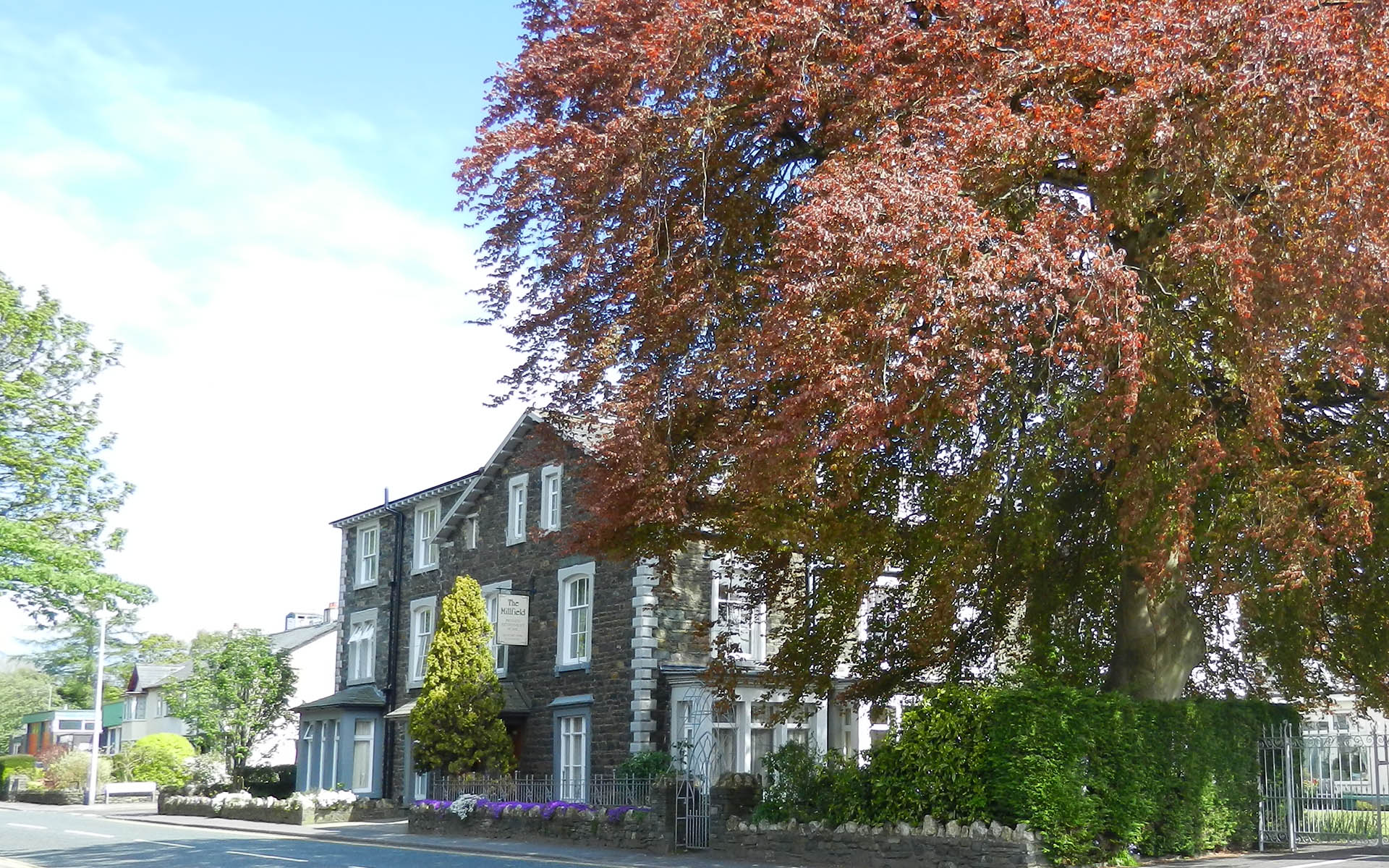
At Living Developments, we welcome visits and encourage families to ask us exactly these questions. Our teams atThe Willows care home in Blackpool, The Millfield in Keswick, and Elmtree House in St Helens, are confident in what we offer and happy to be scrutinised.
To arrange a visit, contact us:
- The Willows, Marton Moss: 01253 693961
- The Millfield, Keswick: 017687 72099
- Elmtree House, Newton-le-Willows: 01925 291492
Or visit our contact page to get in touch.
Visit our care homes
Contact us to arrange a visit or have a conversation
